
If you travel around Kotor and the neighboring towns, one things that you will immediately notice is that this place is jam-packed with fortifications of all sorts. Since the strategic location of the bay was no secret to the various peoples inhabiting the area, many fortresses were built over the centuries (see my blog post about the history of Kotor bay). One of the most impressive structures is St. John’s Fortress (or, using its Italian name, San Giovanni), which is probably the most well-known, as it sits right above the old town of Kotor. In terms of their origin, fortresses were either built by native Illyrians before the Roman Empire, the Venetians, the Ottomans, or Austria-Hungary.
Austro-Hungarian fortresses around the bay
The most recent and therefore most noticeable group of fortresses were built in the 19th century. Austria-Hungary came into the possession of the Bay during the Napoleonic Wars. Their goal was to turn the whole area into a major naval base. This (and merely just controlling the area) was a risky move for two reasons: first, the bay’s peculiar geography makes it easy to blockade the ports, and second, it was a thin strip of land surrounded by hostile territories. Austro-Hungarian military commanders knew that in case of an enemy attack, they would soon be confined to their fortified positions.
Starting from the mid-1800s, they began the construction of an extensive network of fortificatons. These were positioned within the range of artillery in order to support one another. In general, all of them suffered the same fate: first, the Montenegrins (allies of Serbia in World War 1) bombarded them from surrounding hilltops in the first years of World War 1. In World War 2, Italian and Yugoslav troops used the buildings, which were used by the Yugoslav military until the 1990s, and then fell into disrepair.
The complete lack of maintenance for several decades makes these sites dangerous to explore, but at the same time, this is what makes them amazing. You can still find graffiti from both world wars, along with original military equipment installed in the early 1900s. A fascinating feat of engineering, they marked the end of an era when fortresses still had military importance.
Vrmac fortress
Vrmac fortress, located atop the Vrmac mountain, is the easiest to reach from the town of Kotor. The best option is to drive there (I took a taxi for 12 euros and the ride took no more than 20 minutes). Built in 1896, the fortress consists of three levels: the entrance is on the ground level, with the top floor having doors to the roof. It is surrounded by dense vegetation and is next to some dilapited buildings and a farmhouse.

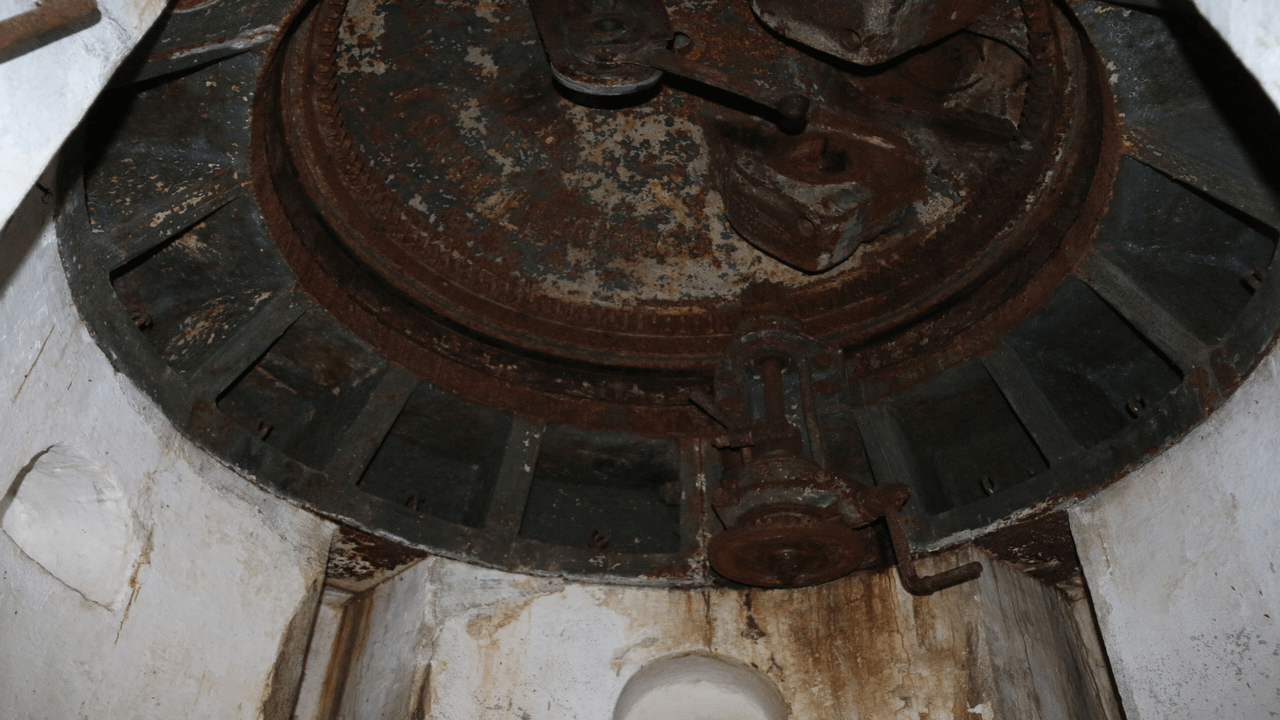
The vaulted rooms on the ground floor were used as storage rooms and living quarters. Chambers on the first floor accommodated the cannons, with armor shell plates, hoisting points and iron hooks still visible. On the second floor, the remains of an elevator mechanism are still there: it was used to transport ammunition to the cannons. Right next to that are the entrances to observation turrets that could be rotated using a crank mechanism.
Trojica fort
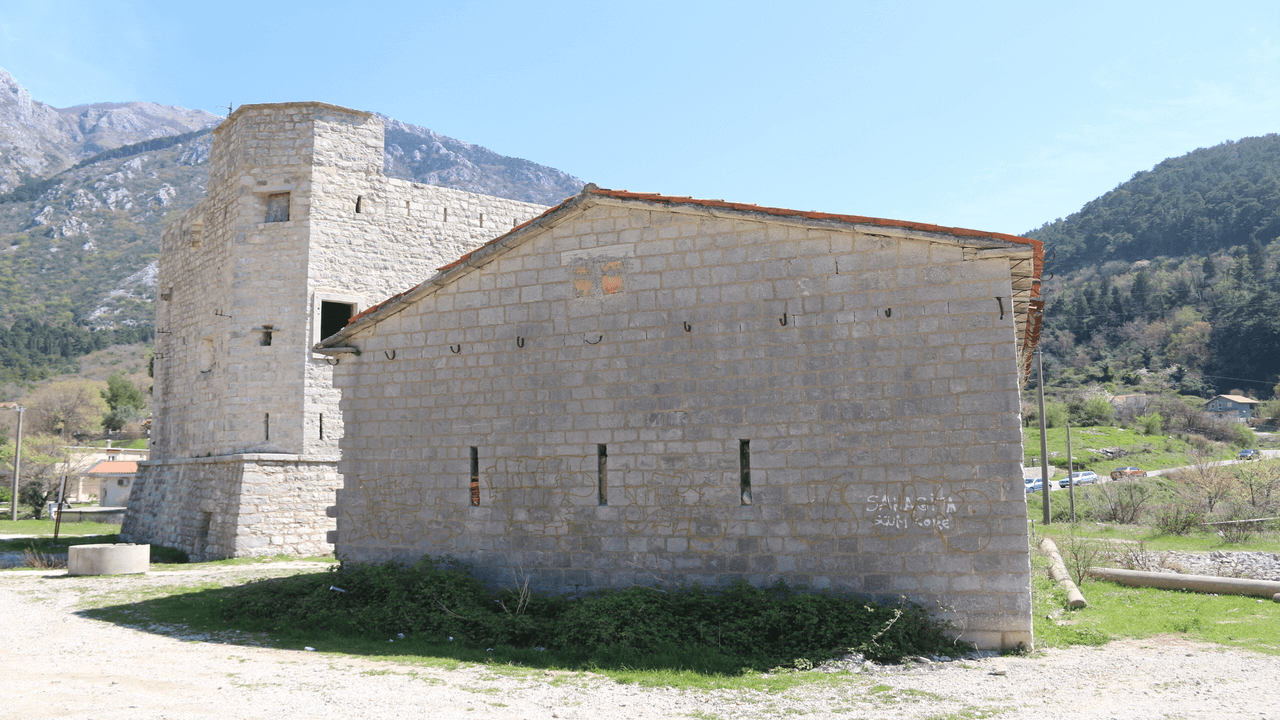
Trojica fort (in the village with the same name) is located at an important road junction between Vrmac and Gorazde fortresses. It is a small fortification built with the purpose of defending the road junction and supporting the two other fortresses.
Goražda fortress
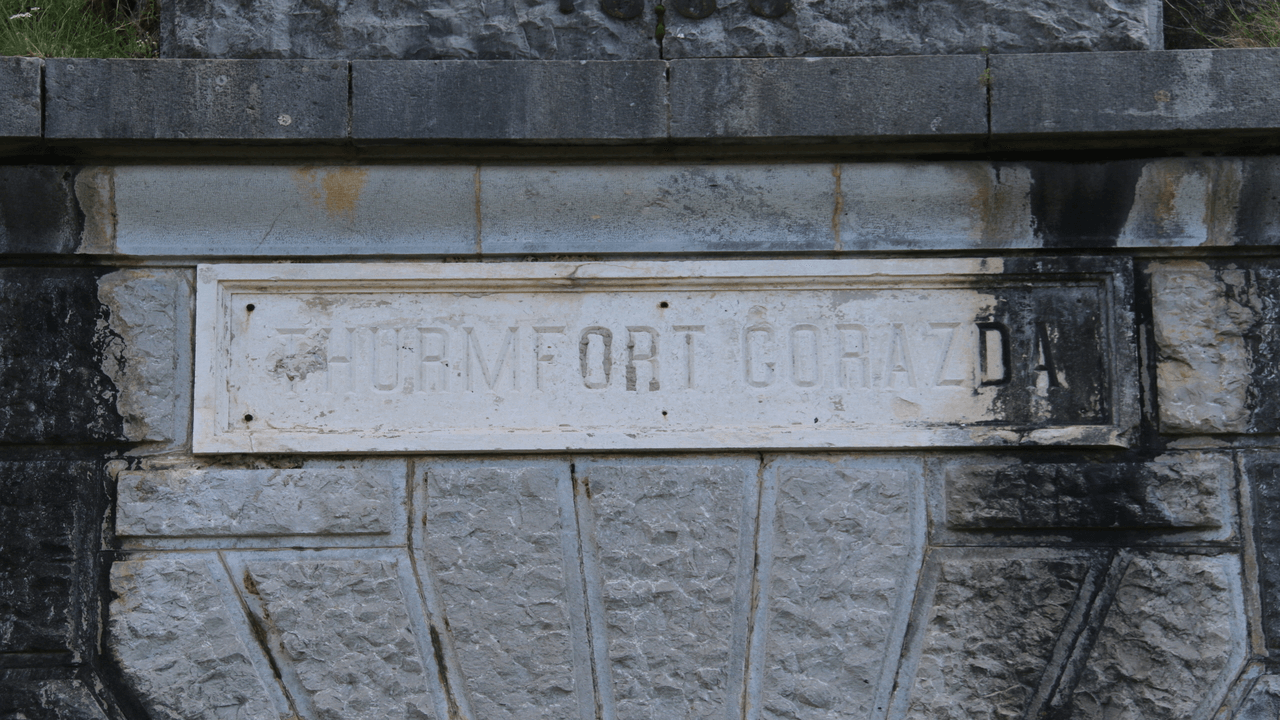
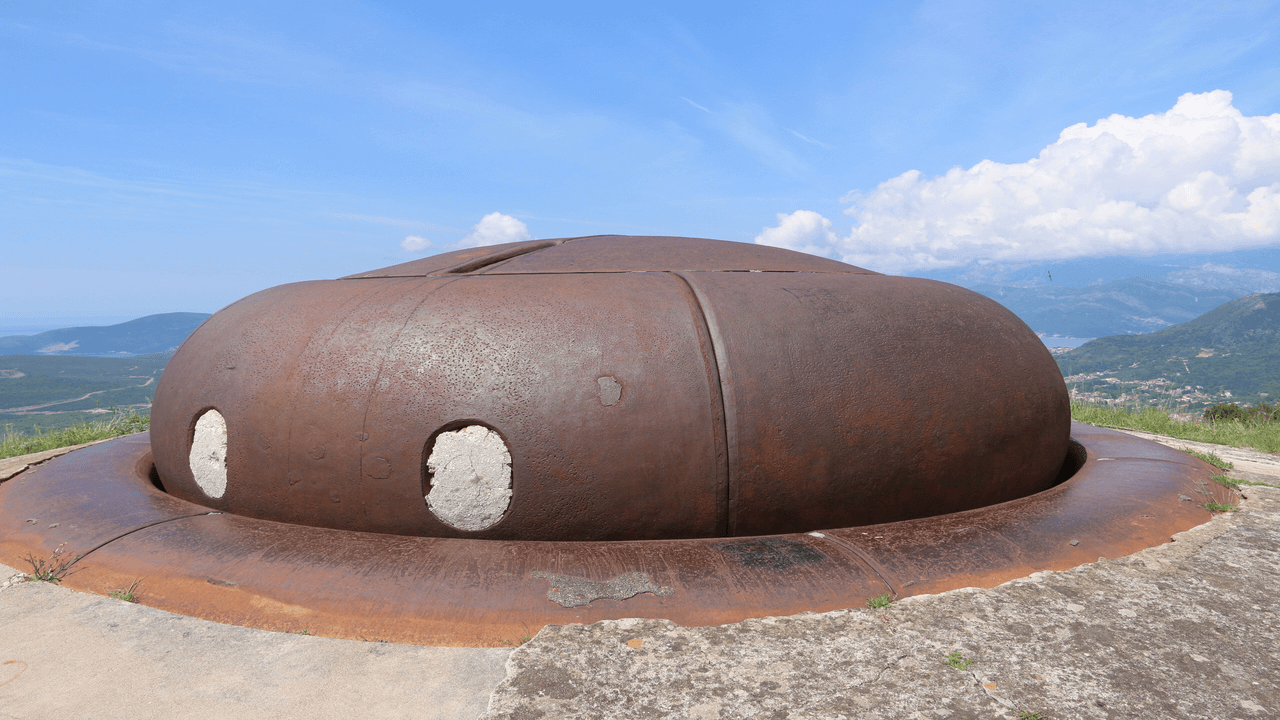
The road to this fortress is clearly signed on the winding road from Kotor to Njegusi village. Even from its immediate surroundings, it is hardly visible: the aim was to camouflage it as much as possible. Only one thing gives it away: a rusty cannon turret on the top, weighing 100 tons. The inscription “Thurmfort Gorazda” (that is, Gorazda Tower Fort, in German) is visible above the entrance. The rusty iron numbers above read 1886, which is when the construction was completed.
Out of the three fortresses listed here, this is the biggest one. Two deep ditches enclose the buildings.
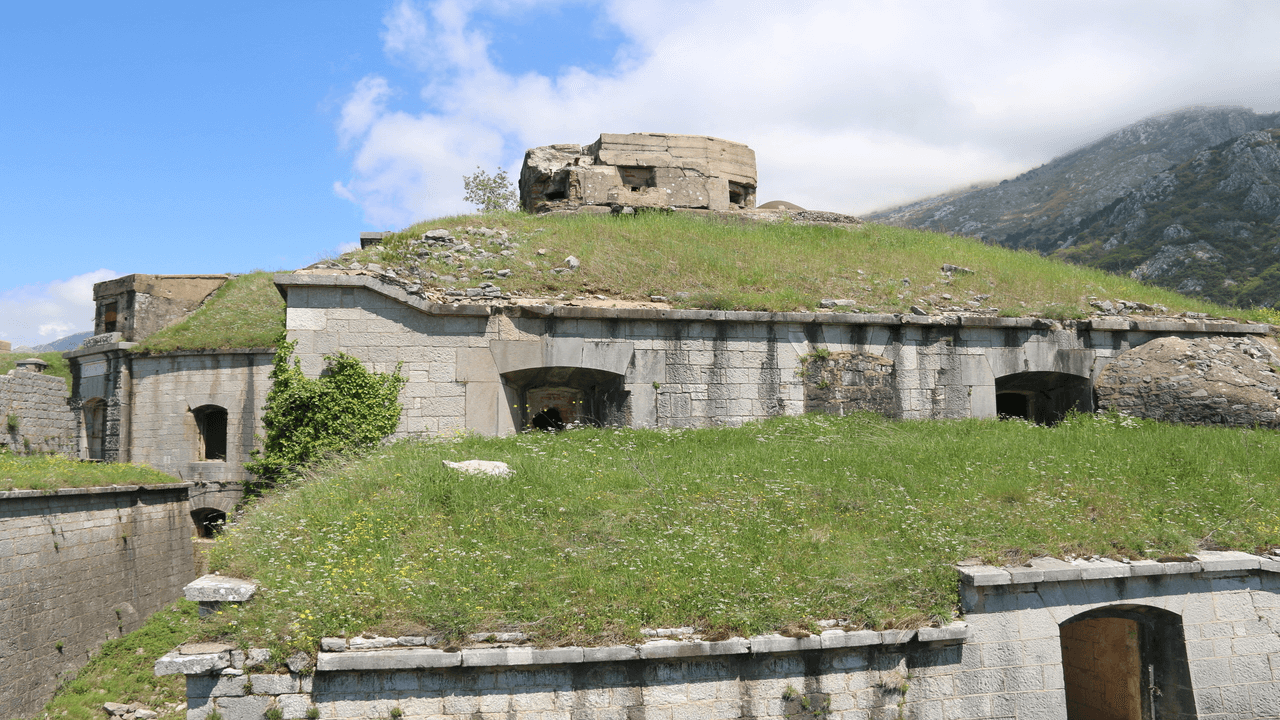
A 100-ton cannon turret rules the fortress from above. The top of the fortress also offers a great view of the whole region.
How to visit them
The best way to explore them is to drive there by car or to take a taxi. Here is where the fortresses are located:
A word of warning, though: after decades of no maintenance, it is potentially dangerous to enter any of these structures. It is dark inside, so if you do decide to enter, make sure you have a flashlight with you. There is a cistern on the lower levels, so make sure not to fall into that. Also, the bats and birds inhabit the buildings, leaving their droppings everywhere.
Would you like to see a virtual tour of these fortresses? Check out my video: